Solar Energy Installation: Top-Quality Solar Modules Supply Efficient And Trustworthy Renewable Resource Solutions
Kinds Of Solar Panels: Translating the Options for the Best Solar Panels
When it comes to selecting the finest photovoltaic panels, comprehending the types available can feel like unwinding a riddle wrapped in sunlight. The market offers a handful of unique ranges, each with its own peculiarities and qualities. Have you ever wondered why some panels look smooth and consistent while others seem patchy or speckled? The answer depends on their core technology and design.
1. Monocrystalline Solar Panels
Picture a single, perfect crystal of silicon-- pure, efficient, and classy. Monocrystalline panels are made from this single crystal. They are typically dark black, nearly like a midnight sky, and they boast the greatest efficiency rates. These panels flourish in tight spaces, squeezing out maximum power with minimal footprint. If you have actually ever experienced the frustration of limited roofing space, then you know why these panels feel like a godsend.
- Effectiveness: Typically 15-22%
- Life-span: 25+ years
- Appearance: Uniform black color
- Cost: Higher upfront investment
2. Polycrystalline Solar Panels
Picture a mosaic artist's canvas-- a patchwork of silicon crystals fused together. Polycrystalline panels have a bluish shade and a speckled look, showing their multi-crystal structure. While they generally provide a little less performance than monocrystalline, they often come at a friendlier cost point. Think of them as the reliable workhorses of photovoltaic panels-- stable and practical.
- Effectiveness: Around 13-16%
- Lifespan: About 25 years
- Appearance: Blue, speckled texture
- Cost: More budget-friendly upfront
3. Thin-Film Solar Panels
Have you ever seen those ultra-thin, flexible solar sheets that nearly seem like plastic? Thin-film solar panels are a various animal altogether. They are lightweight and can be used to surfaces where conventional panels would be unwise. Solar Grid Systems Their effectiveness tends to drag crystalline types, but their versatility is unequaled. Think of wrapping your knapsack or vehicle roof in solar batteries-- this is where thin-film shines.
- Effectiveness: Usually 10-12%
- Lifespan: 10-20 years
- Look: Uniform, often dark or clear
- Expense: Lower initial cost, however potentially greater long-lasting
Which Type Suits You?
Selecting the finest photovoltaic panels isn't simply about numbers; it's about lifestyle, roofing system area, and your vision for energy self-reliance. Are you going after peak efficiency in a compact location? Monocrystalline might be your champ. Required a budget-friendly option that doesn't stint reliability? Polycrystalline could be the response. Or are you prepared to check out innovative applications with thin-film?
| Type | Efficiency | Life-span | Cost | Ideal Use |
|---|---|---|---|---|
| Monocrystalline | 15-22% | 25+ years | High | Minimal area, high performance |
| Polycrystalline | 13-16% | ~ 25 years | Moderate | Budget-conscious, larger roofing system areas |
| Thin-Film | 10-12% | 10-20 years | Low | Flexible surfaces, non-traditional installations |
Eventually, the pursuit of the best solar panels is a journey, not a sprint. Assess your requirements, space, and financial goals. When sunshine fulfills clever choice, your panels can end up being more than simply devices-- they become a storyteller of your dedication to sustainable energy.
Performance Ratings: The Heartbeat of Photovoltaic Panel Performance
Picture a solar panel as a thirsty tourist in the desert, non-stop chasing after the sun's energy. The efficiency score is the step of how well it satiates its thirst-- how much sunshine it converts into functional electricity. Here, every decimal point counts. A panel with a 22% effectiveness ranking transforms 22% of the sunlight it soaks up into power, while the rest dissipates as heat or light. But why does this matter so much?
Performance scores are not simply numbers on a spec sheet; they dictate the real output of your solar financial investment. Think about a rooftop with restricted space. Opting for panels with greater efficiency suggests squeezing more power into those square feet, a vital aspect for metropolitan setups where every inch matters.
Deciphering Real-World Performance
Efficiency isn't fixed. It changes with temperature, angle of sunlight, and shading. Photovoltaic panel generally lose performance as they warm up-- often about 0.3% to 0.5% per degree Celsius above 25 ° C. This implies a sunny summertime afternoon can paradoxically lower your panel's yield.
Ever seen how a shadow from a tree branch can maim a whole solar range? That's due to string configuration and bypass diodes working behind the scenes. A single shaded cell can drag down the output of the whole string, a nuance typically neglected by novices. This is why microinverters or power optimizers are game-changers-- they enable each panel to run separately, alleviating shading impacts.
Professional Tips to Make The Most Of Panel Performance
- Ideal Tilt and Orientation: Panels angled to catch the sun's peak rays optimize daily yield. Even a couple of degrees off can minimize output significantly.
- Temperature level Management: Setting up panels with appropriate air flow below assists dissipate heat, protecting effectiveness during hot spells.
- Regular Monitoring: Utilizing performance tracking systems can highlight dips in efficiency triggered by dirt, micro-shading, or electrical concerns before they grow out of control.
Efficiency Metrics Beyond Effectiveness
| Metric | What It Informs You | Why It Matters |
|---|---|---|
| Temperature level Coefficient | Measures efficiency loss per ° C increase | Shows panel resilience in hot environments |
| Destruction Rate | Annual loss in power output in time | Forecasts long-lasting energy production and ROI |
| Nominal Operating Cell Temperature (NOCT) | Anticipated temperature level of the panel under basic conditions | Assists quote real-world performance |
Picking the finest solar panels suggests understanding that effectiveness ratings tell just part of the story. Real-world conditions, setup quality, and component synergy all dictate actual efficiency. Are you prepared to look beyond surface numbers and dive into the subtleties that will really power your home or company?
Setup Considerations
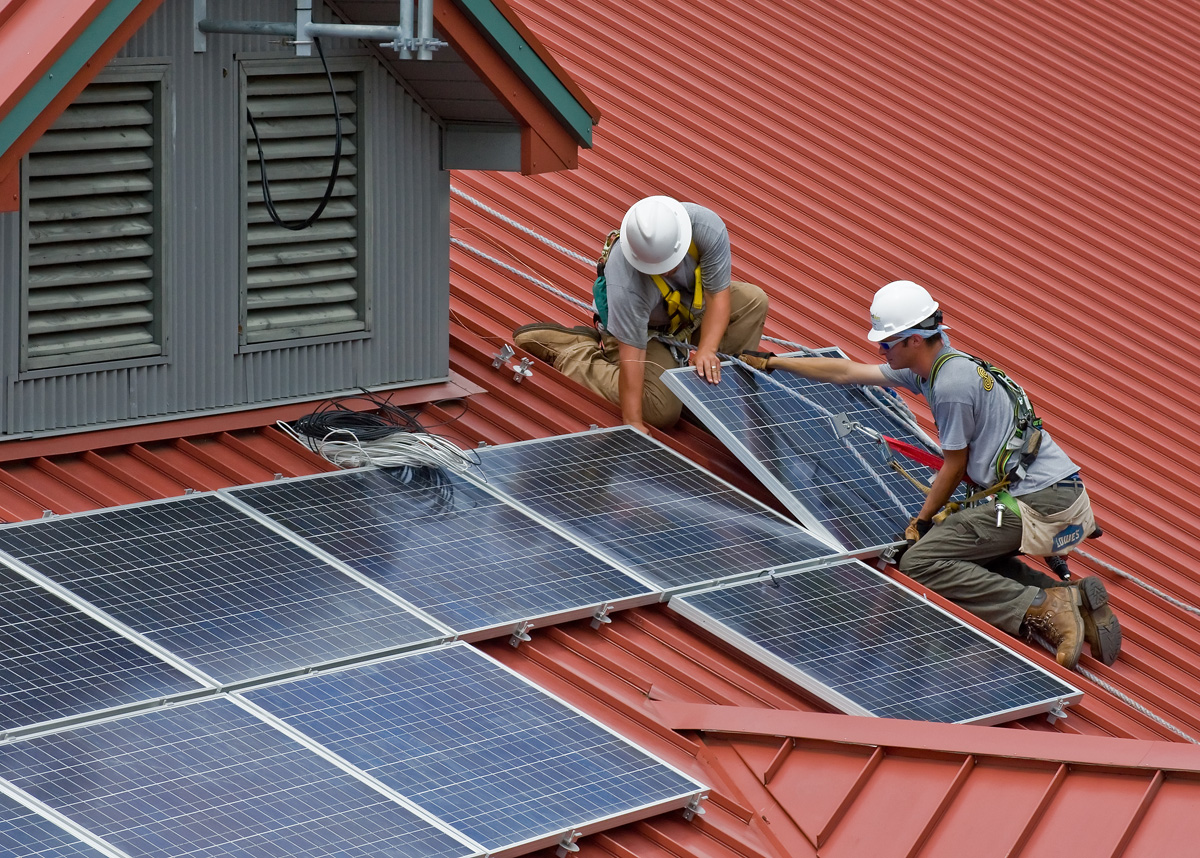
What lies underneath the surface frequently determines the fate of your photovoltaic panel setup. The roofing structure bears a quiet however enormous obligation. Residences with aging or weak roofings might discover themselves battling with the weight of solar varieties. Have you ever seen a roofing system droop somewhat under heavy snow and questioned, "Could photovoltaic panels contribute to that?" That concern matters. Guaranteeing your roofing system can support the panels without jeopardizing integrity is vital.
Another puzzle piece: orientation and tilt. Solar panels prosper when kissed by sunshine, however the angle at which they bask can transform energy output from modest to magnificent. South-facing roofs usually win the sunshine lottery in the northern hemisphere, but what about that quirky east-facing roofing system? Often, an imaginative racking system can coax more power from less-than-ideal angles. Angle changes between 30 to 45 degrees typically optimize absorption, yet regional environment nuances can determine slight tweaks.
Website Evaluation Tips
- Shade analysis: Trees, chimneys, and even neighboring buildings can cast shadows that stealthily sap your system's effectiveness.
- Roof surface area: Determine usable space thoroughly-- blockages minimize the variety of panels you can set up.
- Panel spacing: Ensure enough gap between panels to avoid overheating, which diminishes efficiency.
Circuitry logistics often slip under the radar but can make or break the setup's success. Long cable runs not only inflate expenses however present power losses. Usage thicker gauge circuitry for longer distances to reduce voltage drop-- this is a subtle expert trick that can conserve substantial energy over time.
Mounting Techniques and Their Subtleties
| Installing Type | Finest Use Case | Pros | Cons |
|---|---|---|---|
| Flush Mount | Residential rooftops with strong structure | Low profile, affordable | Minimal air flow, possible heat buildup |
| Ballasted Mount | Flat roofings with no penetrations permitted | No roofing system penetration, fast set up | Much heavier system, may require structural reinforcement |
| Pole Mount | Ground installations | Adjustable tilt, simpler maintenance | Consumes ground space, possibly greater wind load |
Ever pondered how extreme weather might check your solar setup? Wind uplift forces can pry poorly set up panels away like a gust peeling wallpaper. Utilizing appropriately ranked mounting hardware calibrated to your region's wind speed is not just a recommendation-- it's a required for longevity. And what about snow load? Panels that shed snow swiftly prevent the quiet drain on everyday output.
Ecological Impact and Advantages of Best Solar Panels
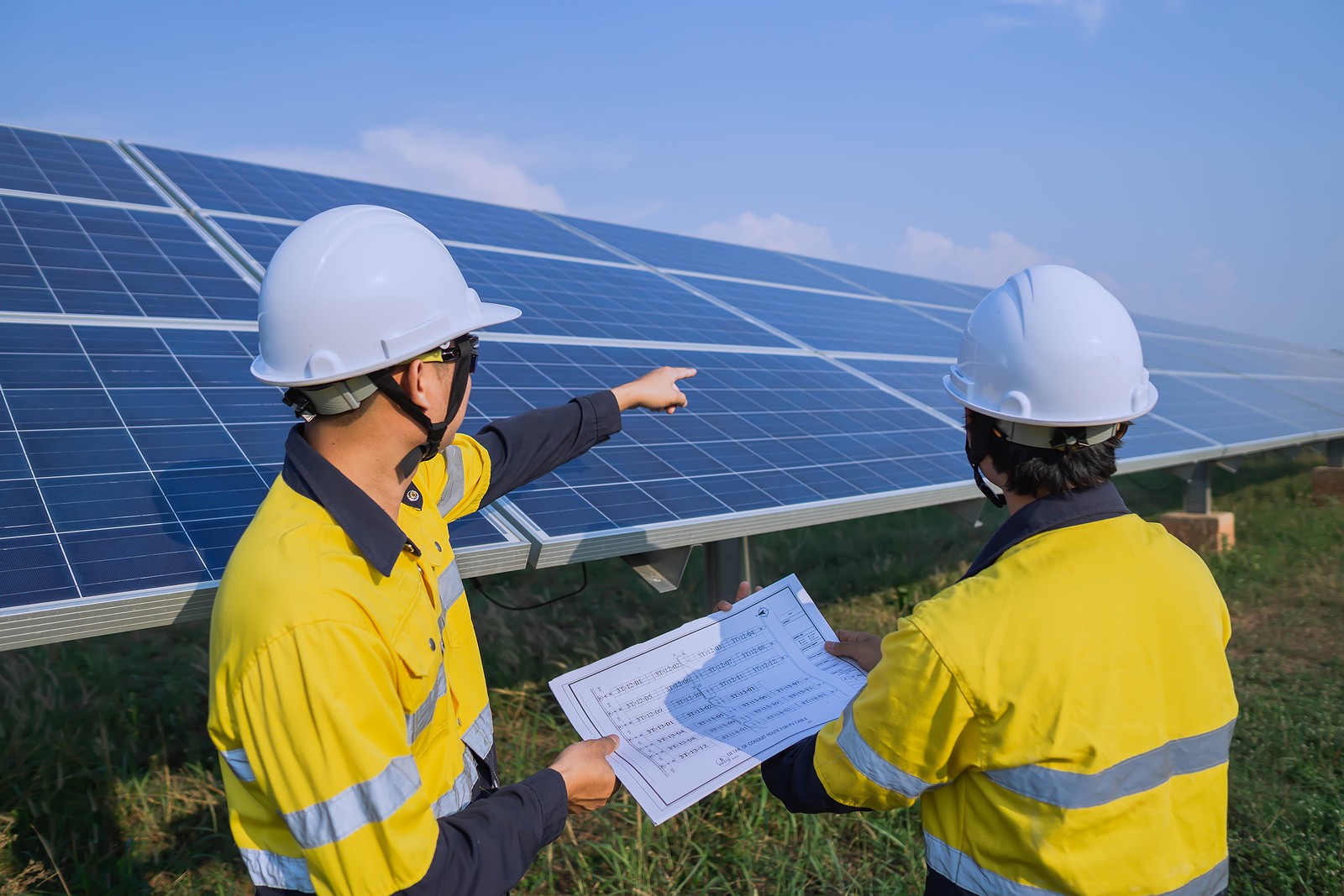
Envision a world where rooftops hum with the quiet work of solar energy, turning sunlight into power without a whisper of pollution. The very best solar panels don't simply slash your electricity expenses-- they wield an extensive influence on the environment. Yet, it's easy to ignore the subtle intricacies that identify just how green your solar setup really is.
Not all photovoltaic panels are developed equivalent when it comes to the carbon footprint ingrained in their production. Production includes mining uncommon minerals and energy-intensive processes. Here's the kicker: the most efficient panels stabilize that in advance environmental cost by producing clean energy for decades, typically offsetting their preliminary carbon emissions within 1-3 years. This payback period is essential-- ask yourself, for how long will your panel last, and just how much energy will it save?
Hidden Environmental Advantages
-
Decrease in Greenhouse Gases: Solar panels transform sunshine into electrical power without releasing CO.
2,.
suppressing the ravaging greenhouse result.
- Water Conservation: Unlike fossil fuel plants that guzzle water for cooling, solar panels sidestep this drainage, preserving precious water resources.
- Land Use Performance: Setting up solar panels on rooftops or degraded lands decreases interruption to communities and wildlife environments.
One appealing truth typically missed: the waste management of photovoltaic panels at the end of their life process. Experts suggest preparing for recycling paths early on to prevent ecological problems from disposed of panels. The products-- silicon, aluminum, glass-- are all recyclable, but the facilities is still catching up in many areas.
Tips for Optimizing Environmental Benefits
- Choose panels with a high energy conversion rate to guarantee quicker ecological payback.
- Go with solar batteries made from less toxic products, preventing panels with heavy metals like cadmium where possible.
- Coordinate installation with optimal panel alignment and tilt to harness optimum sunlight, making every photon count.
- Think about incorporating energy storage systems to smooth out solar intermittency, improving general system sustainability.
Ever wonder why some solar ranges shine brighter than others? It's not simply about look. Dirt, shading, and even micro-cracks can damage efficiency drastically. From an ecological lens, effectiveness implies fewer panels needed, which equates to less material usage and lower embodied energy.
Solar energy is a peaceful transformation, but its full environmental potential unfolds only when you believe beyond just the preliminary cost savings. It's about the causal sequence of every watt generated, every toxic substance prevented, and every drop of water saved. What if your next solar decision could be an elect a cleaner world?